


The international diamond trade, historically associated with prosperity, took on a critical connotation during the final decades of the 20th century, as its role in financing civil wars and prolonging humanitarian crises became evident. “Conflict diamonds” or “blood diamonds” refer to gemstones mined in areas controlled by insurgent groups, used to fund violent opposition to legitimate governments, resulting in devastating impacts on civilian populations.
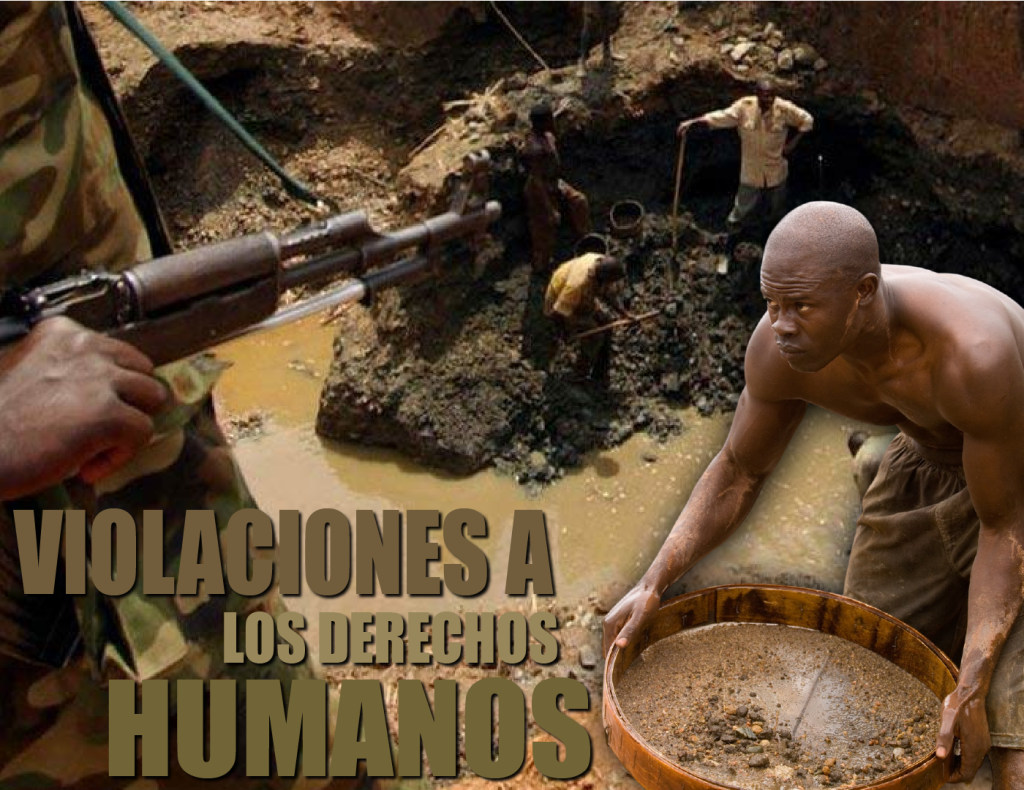
In nations such as Sierra Leone, Liberia, Angola, and the Democratic Republic of the Congo, illicit diamond trafficking sustained conflicts characterized by gross human rights violations, including mass killings, forced displacement, and extreme exploitation. This prompted the United Nations, the African Union, and civil society to call for effective safeguards to prevent natural resources from fueling regional instability.
In 2000, the Kimberley Process was initiated in South Africa, leading to the 2003 launch of the Kimberley Process Certification Scheme (KPCS). This voluntary yet widely adopted mechanism mandates that rough diamonds must be accompanied by an official certificate verifying they are “conflict-free.” Currently, with over 80 members (including the EU), the process covers more than 99% of the global diamond trade.
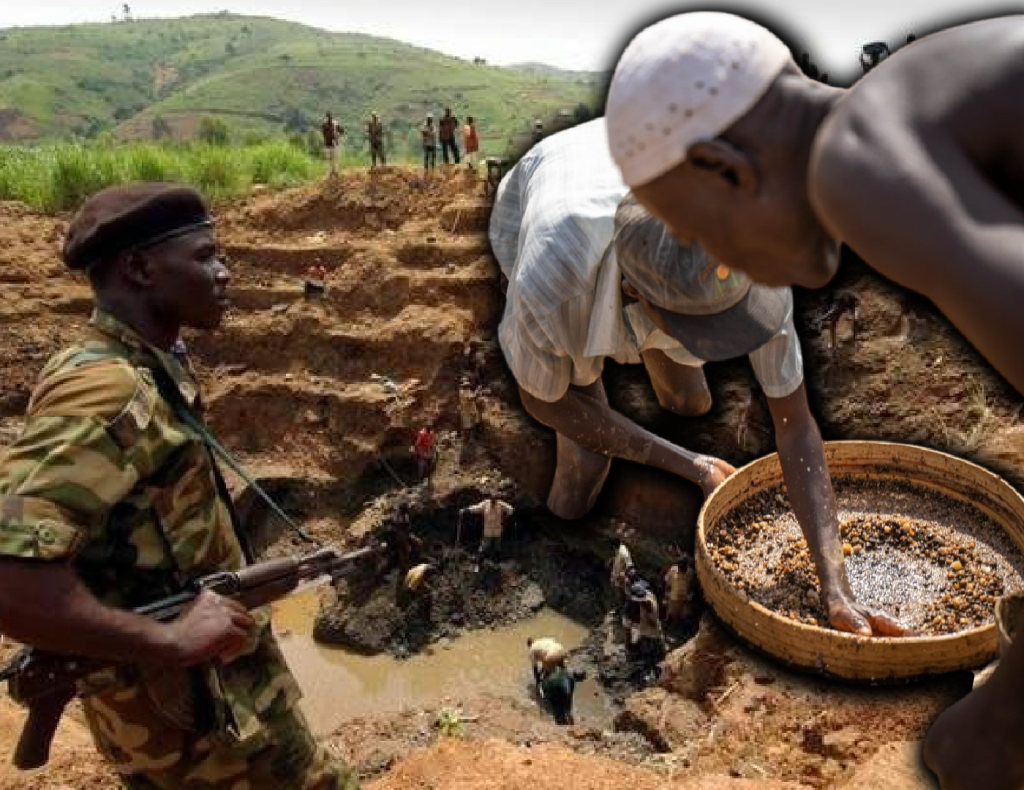
While the KPCS has successfully reduced conflict diamonds from 15% of the market in the 1990s to less than 1% today, critics argue its scope is too narrow. By focusing only on rebel-funded violence, it overlooks issues like labor exploitation, institutional corruption, and environmental degradation—challenges seen in regions like Marange (Zimbabwe) or the Central African Republic. Moving forward, the industry must adapt to synthetic alternatives and ethical consumerism, ensuring diamonds transition from symbols of suffering to engines of inclusive development and peace.
Author: Mtro. Gustavo Arriaga
Mosqueda. Title: International Relations Specialist.