


“For nearly a century, only a few nations have had the honor of lifting the World Cup. In 2026, a new team will make history.”
Football is, without a doubt, the most universal sport on the planet, capable of uniting cultures, languages, and nations under a single passion. At the heart of this global celebration lies the most prestigious tournament in international football: the FIFA World Cup, organized by FIFA since 1930. Beyond the matches, the rivalries, and the historic moments that have defined generations, there is a symbol that represents the ultimate glory: the trophy lifted by the world champion.
In 2026, the World Cup will reach a historic milestone as it is hosted for the first time across three countries simultaneously: Mexico, the United States, and Canada will host an edition that promises to be one of the largest in history. This context offers the perfect opportunity to remember the origin and evolution of the trophy that every footballer on the planet dreams of lifting.
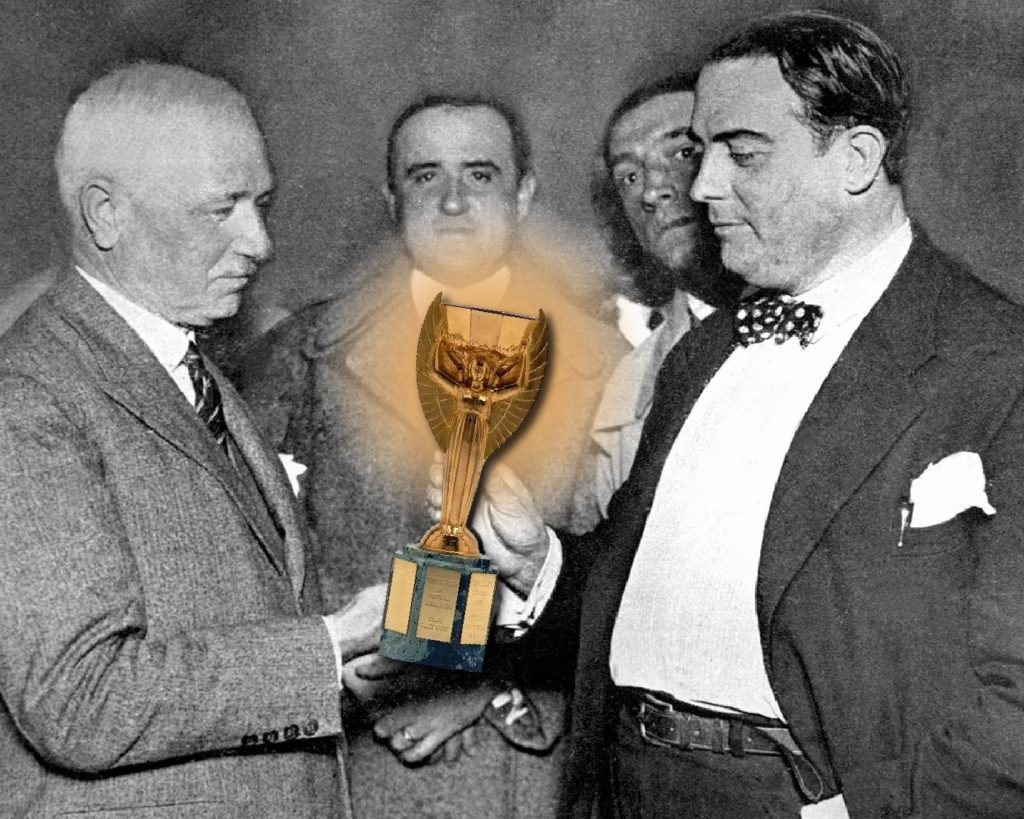
The Jules Rimet Trophy: The First Symbol of Victory
When the first World Cup was organized in 1930, a special trophy was designed to represent the significance of this new international tournament. The piece was created by French sculptor Abel Lafleur and was originally known as the “Victory Trophy.” However, over the years, it adopted the name Jules Rimet Trophy, in honor of the FIFA president who championed the tournament’s creation.
The trophy depicted the Greek goddess Nike, the symbol of victory, holding an octagonal cup. For decades, it was presented to world champions and became one of the most recognizable objects in international sports.
The trophy endured curious episodes throughout its history. During World War II, it was hidden to prevent confiscation, and in 1966, it was stolen in England just before the World Cup—only to be recovered later by a dog named Pickles. Finally, in 1970, the trophy was permanently awarded to Brazil after they secured their third world championship.
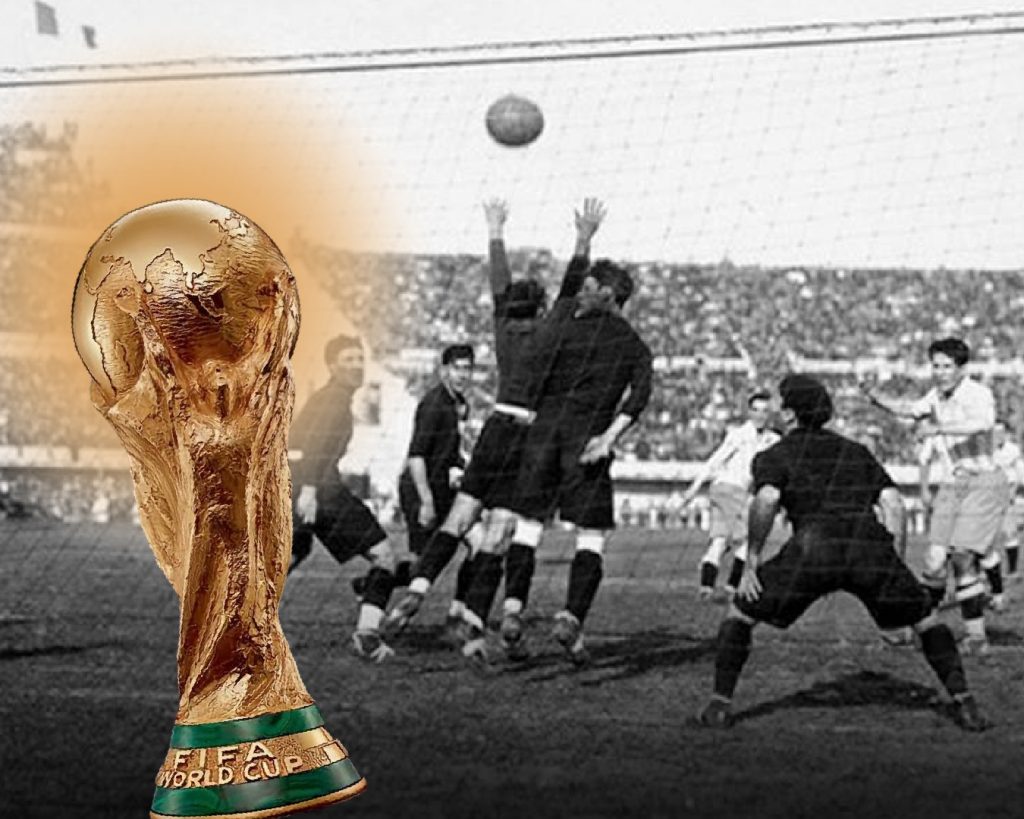
The Current Trophy: A Global Icon
Following the permanent awarding of the Jules Rimet Trophy, FIFA decided to create a new symbol for the world champion. In 1974, the current trophy, designed by Italian sculptor Silvio Gazzaniga, was introduced.
Crafted from 18-karat gold, the piece depicts two human figures holding up the Earth, symbolizing global unity through sport. Standing approximately 36 centimeters tall and weighing nearly 6.1 kilograms, the World Cup Trophy has become one of the most recognized sports awards in the world.
Unlike its predecessor, this trophy is not awarded permanently to the champions; the winning teams receive a replica, while the original remains under FIFA’s custody.
A Legacy of Champions
Every four years, the World Cup Trophy becomes the center of international football’s attention. Before each tournament, it embarks on a world tour, allowing millions of fans to see the ultimate symbol of the sport up close. Over the decades, several nations have had the privilege of lifting this trophy, leaving indelible moments in the collective memory of the sport.
Since 1930, the nations that have conquered the World Cup are:
- Uruguay
- Italy
- Germany
- Brazil
- England
- Argentina
- France
- Spain
Each of these countries has written its name in football history by lifting the most prestigious trophy in the sport.
Looking Toward 2026
The next edition of the tournament promises to mark a new chapter in football history. With stadiums across three host countries and an expanded number of participating teams, the 2026 World Cup is set to be a historic event bringing together millions of fans across the globe.
As the trophy tours the world once again and teams prepare for the competition, an inevitable question begins to resonate among fans, analysts, and players alike:
Which nation will have the honor of lifting the World Cup in 2026 and writing a new chapter in the history of football?